
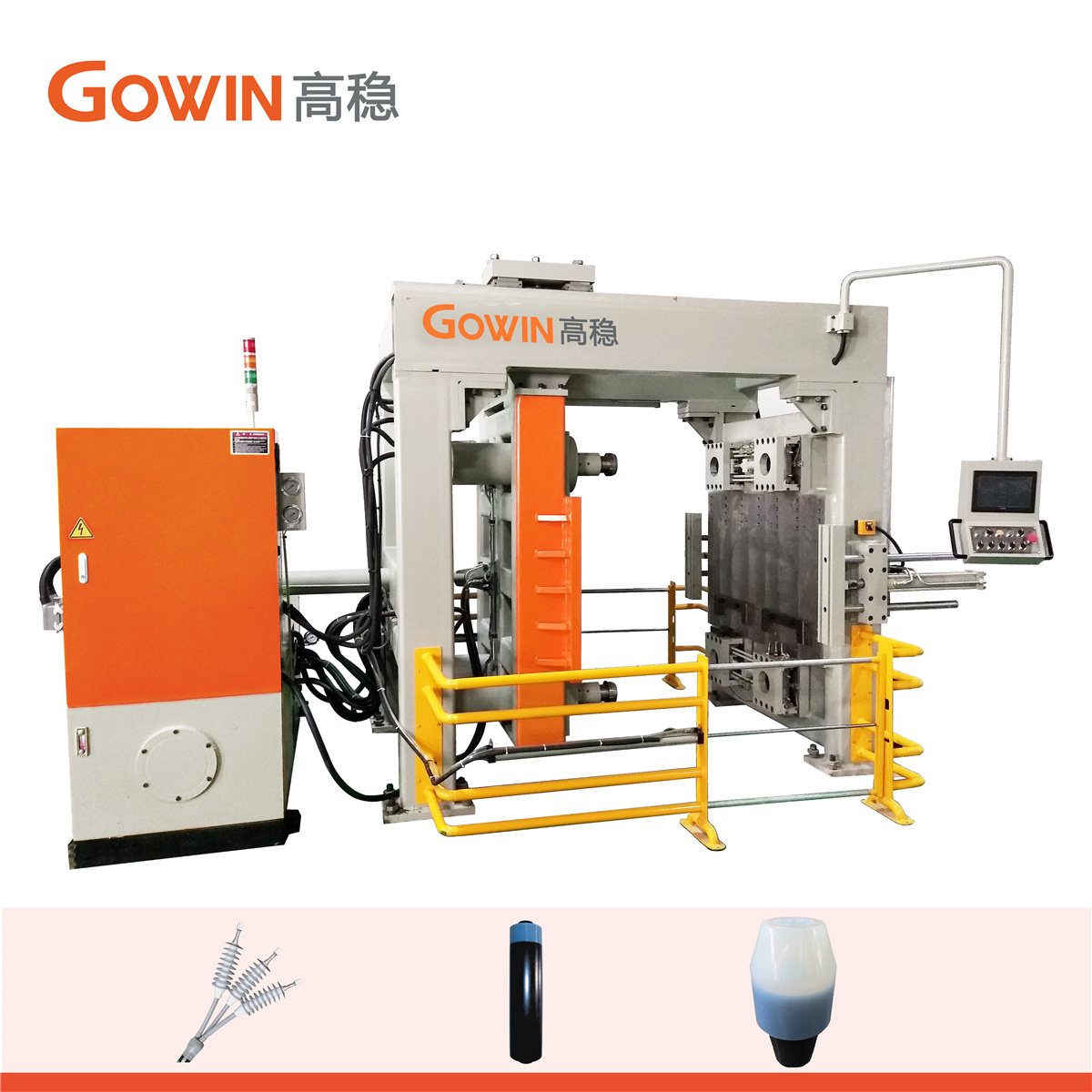
In the ever-evolving landscape of rubber manufacturing, precision and reliability remain paramount. Rubber molds are integral components in rubber molding machines, playing a critical role in determining the quality and consistency of the final products. As industries ranging from automotive to electronics demand increasingly sophisticated rubber components, innovations in rubber molds and molding technology have become essential to meet these rigorous requirements.
**The Importance of Rubber Molds in Rubber Injection Molding**
Rubber molds serve as the core tooling equipment within rubber molding machines, shaping raw rubber materials into desired forms through processes such as injection molding, compression molding, and transfer molding. High-quality molds ensure the precise replication of intricate designs, maintain consistent product dimensions, and contribute significantly to reducing manufacturing defects.
The effectiveness of rubber molds is influenced by material choice, design accuracy, and the manufacturing process of the molds themselves. Advanced rubber molds are typically made from durable metals such as steel alloys, capable of withstanding high temperatures and pressures during molding cycles. Additionally, mold design optimization, including considerations for venting, cooling channels, and ejection mechanisms, enhances cycle times and product quality.
**Technological Advances Driving Rubber Mold Development**
Recent years have seen remarkable progress in the design and manufacturing of rubber molds. Computer-Aided Design (CAD) and Computer-Aided Manufacturing (CAM) technologies enable engineers to develop highly precise mold geometries that optimize rubber flow and reduce defects such as air bubbles or incomplete filling. Furthermore, high-precision CNC machining and Electrical Discharge Machining (EDM) techniques facilitate the creation of molds with tight tolerances and complex geometries.
Innovations in surface treatments and coatings have also extended mold lifespan and improved rubber release, reducing maintenance costs and downtime. For instance, mold surfaces treated with specialized coatings can resist wear, corrosion, and rubber adhesion, enabling smoother production runs.
**Industry Applications and Demand Trends**
The demand for superior rubber molded components is growing rapidly across diverse sectors. In the automotive industry, rubber seals, gaskets, and vibration dampers require molds capable of producing components that adhere to strict safety and durability standards. Similarly, in consumer electronics, precision-molded rubber parts contribute to device ergonomics and protection.
Given the broad spectrum of rubber products, mold manufacturers are tasked with creating versatile molds that accommodate various rubber compounds, including silicone, nitrile, and EPDM, each with distinct processing parameters. This versatility is essential for manufacturers aiming to serve multiple industries with customized solutions.
**Gowin Precision Machinery Co., Ltd.: A Leader in Rubber Molding Technology**
At the forefront of these advancements is Gowin Precision Machinery Co., Ltd., a prominent rubber molding machinery manufacturer headquartered in Guangdong, China. Established by a team of experienced professionals specializing in rubber injection molding, the company boasts extensive expertise in the design and production of cutting-edge machinery and tooling.
Gowin Precision Machinery Co., Ltd. recognizes the crucial role that high-quality rubber molds play in the overall molding process. By integrating precision mold design with advanced molding equipment, the company offers comprehensive solutions that enhance manufacturing efficiency, reduce material waste, and improve product consistency.
The company’s dedication to innovation and quality has positioned it as a trusted partner for manufacturers seeking to optimize their rubber production lines. Whether developing specialized molds for bespoke applications or scaling up production with standard tooling, Gowin Precision Machinery Co., Ltd. delivers reliability and performance that meet industry demands.
**Enhancing Manufacturing Efficiency and Product Quality**
The synergy between precise rubber molds and sophisticated molding machines results in significant improvements in production efficiency. High-precision molds reduce cycle times through better thermal management and improved flow dynamics, enabling manufacturers to increase output without compromising quality.
Furthermore, advanced rubber molding machines equipped with feedback controls and programmable settings allow fine-tuning of molding parameters, ensuring consistency across production batches. This technological integration minimizes defects, lowers rejection rates, and extends mold life, contributing to a more sustainable manufacturing process.
**Looking Ahead: Future Trends in Rubber Molding**
As industries continue to innovate, the future of rubber molding will likely focus on further integration of smart technologies and automation. The adoption of IoT-enabled molding machines and molds embedded with sensors is anticipated to revolutionize real-time monitoring and predictive maintenance, reducing downtime and optimizing performance.
Additionally, trends toward sustainable manufacturing and eco-friendly materials will influence mold design and material selection. Manufacturers may increasingly seek molds compatible with biodegradable rubbers or recycled compounds, aligning production processes with environmental considerations.
**Conclusion**
Rubber molds remain a cornerstone of the rubber molding industry, dictating the precision, quality, and efficiency of the molding process. Advances in mold design, materials, and manufacturing technologies continue to push the boundaries of what is achievable in rubber product manufacturing.
Gowin Precision Machinery Co., Ltd., with its rich experience and innovative approach, exemplifies the cutting-edge capabilities driving the industry forward. By focusing on precision molds and integrated molding solutions, the company supports manufacturers in meeting the growing complexity and demands of today’s market.
As technology progresses, the collaboration between mold manufacturers and machinery providers will be pivotal in delivering the next generation of rubber molded products, bolstering industrial competitiveness and product excellence worldwide.